




Casa Europa México presenta…
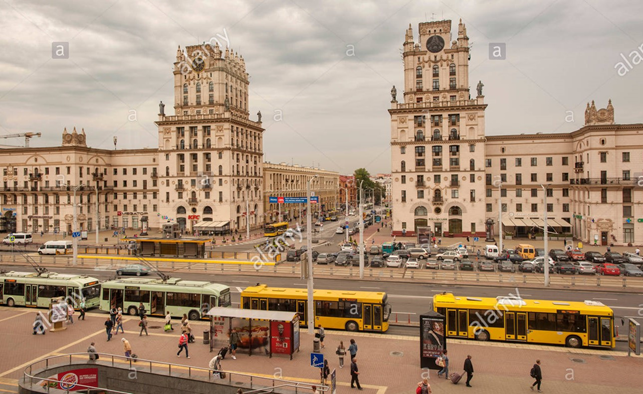
También llamado Belarús o/y Rusia Blanca, Bielorrusia es un país de Europa Oriental que limita con Lituania y Letonia al norte, con Rusia al este, al sur con Ucrania y al oeste con Polonia. No tiene salida al mar y su territorio, esencialmente llano, tiene tres regiones: los lagos al norte, los bosques en el centro y los pantanos al sur. La capital es Minsk. El idioma oficial es el bielorruso, pero el más hablado es el ruso, mientras que las minorías hablan sus lenguas nativas que bien pueden ser el polaco, el ucraniano y el idish oriental entre los ciudadanos judíos que hasta antes del Holocausto representaban el 10% de la población del país.

Históricamente, Bielorrusia ha sido un territorio dominado, primero por tribus eslavas, luego por los varegos de Escandinavia. Siglos más tarde perteneció al Gran Ducado de Lituania, después a la Mancomunidad Lituania-Polonia, luego el territorio fue ocupado y dividido entre Austria, Prusia y la Rusia zarista. En 1918, antes de concluir la Primera Guerra Mundial, logró su independencia con el nombre de República Popular Bielorrusa, pero el gusto duró apenas diez meses porque fue tomada por el Ejército Rojo de los bolcheviques que derivó en convertirla en una más de las repúblicas soviéticas. Esto último propició que la identidad bielorrusa, así como su cultura moderna y su arquitectura esté más cercana a las reminiscencias de la época soviética. Finalmente, en 1990 Bielorrusia se declaró república soberana y tuvieron sus primeras elecciones. En 1994 hubo nuevas elecciones y el presidente electo sigue en el poder desde entonces bajo un estilo autoritario.
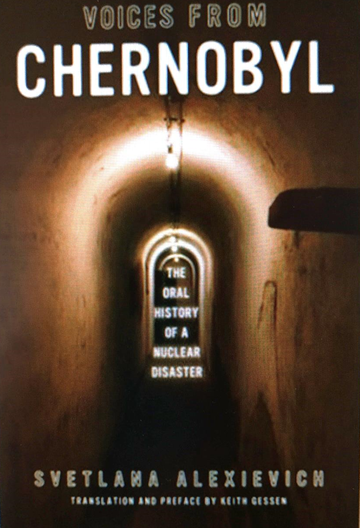
Bielorrusia no es un país que haya destacado a nivel mundial en los deportes o en las artes, y poco se sabe de sus logros en las ciencias. Sin embargo, en 2015 Svetlana Aleksiévich sorprendió al mundo al ganar el Premio Nobel de Literatura y eso puso a su país en los reflectores. Su literatura se concentra en la historia oral, el rescate de historias de vida, en la crítica a los sistemas autoritarios y a las guerras, así como a la denuncia social o política en casos como el desastre nuclear en Chernóbil ocurrido en 1987.
Su libro “Voces de Chernóbil”, traducido al español, está en línea siguiendo este enlace de la División de Ciencias Naturales y Exactas de la Universidad de Guanajuato: http://www.dcne.ugto.mx/Contenido/MaterialDidactico/amezquita/Lecturas/Voces%20de%20Chernobil%20-%20Svetlana%20Aleksievich.pdf
Casa Europa México recomienda…
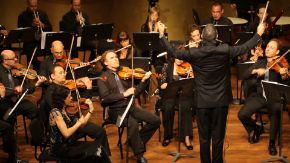
La música tradicional bielorrusa tiene mucha influencia de la música popular rusa, como podemos apreciar en esta probadita que bien podemos acompañar con un coctel llamado “ruso blanco”:
Referencias de Internet:
Los créditos de imágenes aparecen al pie de la imagen correspondiente.
Adaptación de textos: Rosalba Márquez y Homero Adame
Belarus text translation into English: Pat Grounds