
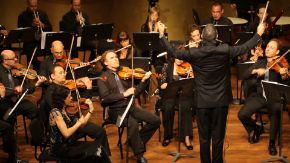




BOSNIA Y HERZEGOVINA
Casa Europa México presenta…
Bosnia-Herzegovina es un país dividido por dos regiones principales: Bosnia al norte y Herzegovina, al sur. Está ubicado en la región balcánica en el sureste de Europa. Colinda con Croacia, Serbia y Montenegro. Tiene una pequeña costa en el mar Adriático, en el municipio de Neum, con apenas 20 km de litoral que le ganó a Croacia en una disputa. Sus zonas rurales, donde hay villas desde la época medieval, ríos y lagos, son parte de los Alpes Dináricos. La capital es Sarajevo, escenario de varios hechos históricos de gran relevancia, como haber sido donde se originó la Primera Guerra Mundial (también conocida como la Gran Guerra) cuando en 1914 en el “Puente latino” asesinaron al archiduque Francisco Fernando, heredero al trono del Imperio Austro-Húngaro.
For English, click → Bosnia and Herzegovina
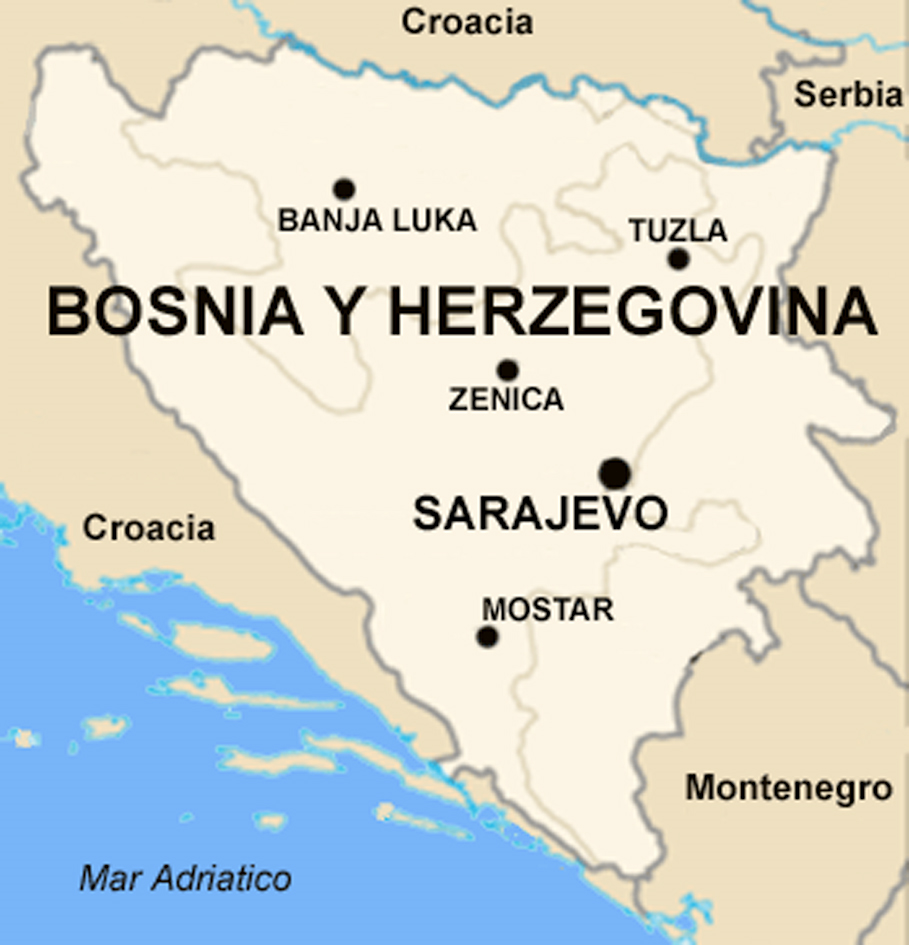
Este país, donde los idiomas oficiales son el bosnio, el croata y el serbio –los tres de raíces lingüísticas eslavas–, donde las religiones dominantes son el islam y el cristianismo tanto ortodoxo como católico, ha sido también escenario de guerras, ocupaciones y conflictos de diversa índole geopolítica. Fue parte de la desparecida Yugoslavia, cuya capital era Belgrado –hoy capital de Serbia que visitaremos próximamente–, también formó parte de la Unión Soviética hasta que en 1992 logró conformarse como una república federal, lo cual desencadenó otra serie de conflictos bélicos hasta que intervino la Unión Europea y declaró un protectorado vigente hasta la fecha.
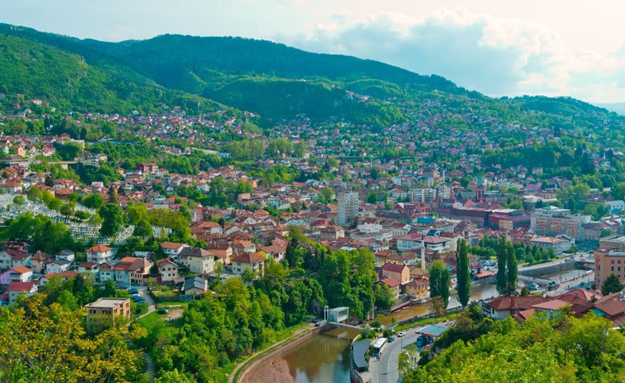
Sarajevo
Pese a que esta región balcánica ha sido muy conflictiva, en 1984 los Juegos Olímpicos de Invierno en Sarajevo ayudaron a darle otro rostro a la ciudad y al país. Poco a poco, sobre todo desde que cayó la Cortina de Hierro, el turismo ha descubierto que la joya de Bosnia-Herzegovina es su capital, con sus antiguos sectores otomanos, como Baščaršija –el bullicioso barrio turco–, los sectores musulmanes, los sectores que recuerdan la época del Imperio Austro-Húngaro y los sectores modernos. En sus recorridos, todo visitante encuentra la famosa Fuente Sebilj, de estilo pseudo-otomano y rodeada de palomas. Cuenta una leyenda que quien tome agua de esta fuente, tarde o temprano regresará a Sarajevo.
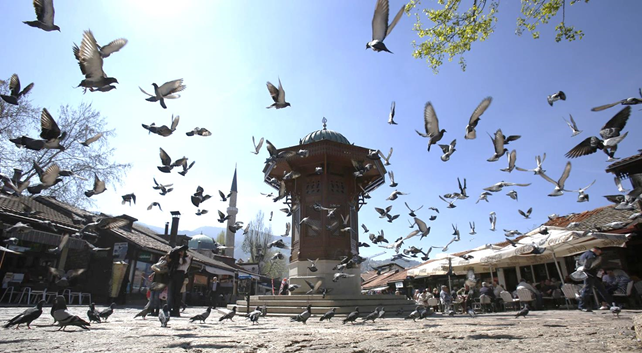
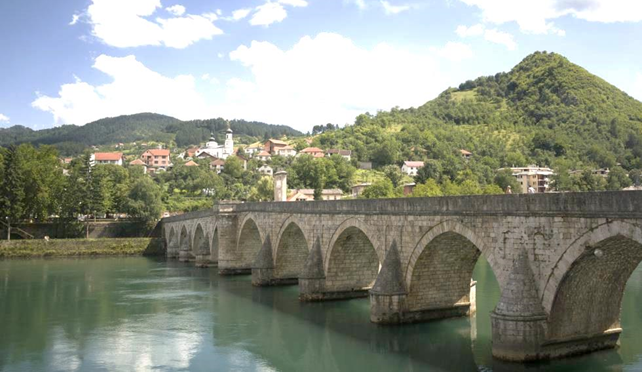
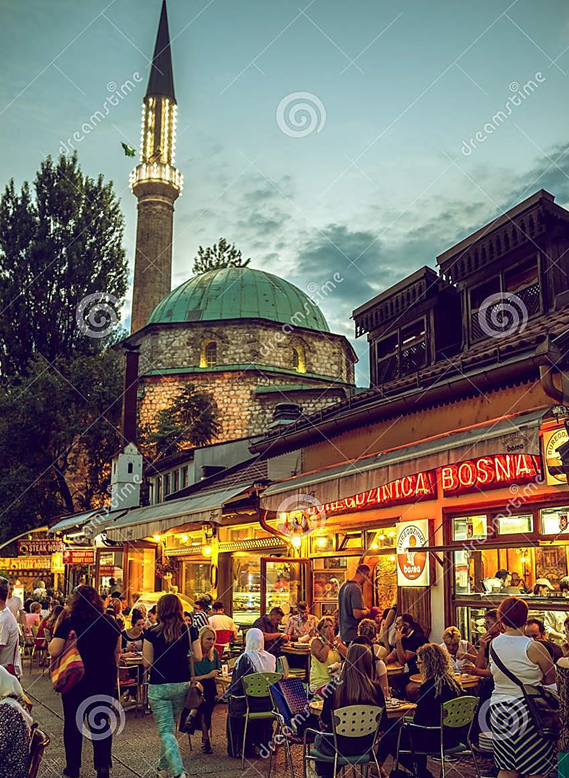
Callejuelas, puentes, túneles le dan un encanto especial a la ciudad. Para un descanso, un refrigerio o una buena comida vamos a Stari Grad, un rincón de la ciudad antigua, el lugar ideal por su ambiente casi como en cualquier ciudad de Oriente, entre sus bares y cafés al aire libre donde puedes comer el tradicional cevapi bosnio (acompañado de yogur), una típica baklava otomana con un café estilo turco y fumar shisha.
Casa Europa México recomienda….
La música tradicional y nacional de Bosnia-Herzegovina es el Sevdah o Sevdalinka, influida por los ritmos folclóricos de Croacia, Montenegro y Serbia, entre otros. El Sevdah por lo general expresa tristeza, cuenta pequeñas anécdotas, situaciones bélicas por las que el país ha sufrido con el paso de los años desde su independencia.
Si te apetece música clásica, en este caso nada mejor que escuchar a Vedran Smailović, nacido el 11 de noviembre de 1956 en Sarajevo. Se le conoce como el “Chelista de Sarajevo” por su clase, sus logros y su trayectoria.
Has click en el siguiente enlace para escuchar una muestra de su música:
Si deseas saber más sobre el asesinato del archiduque Francisco Fernando en Sarajevo, te recomendamos la película “El atentado”, en Netflix: