


BULGARIA
Casa Europa México presenta…
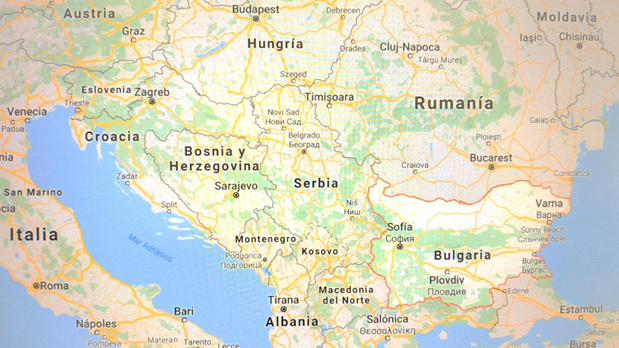
La República de Bulgaria, su nombre oficial, está ubicada al sureste del continente europeo. Limita al norte con Rumanía, al sur con Turquía y Grecia y al oeste con Macedonia del Norte y Serbia. Su franja oriental son litorales con el Mar Negro. El territorio de Bulgaria tiene zonas montañosas, como los Balcanes, y zonas bajas y fértiles en las llanuras del Danubio, al norte, y en las llanuras de Tracia, al sur. Cuenta con alrededor de 540 ríos, siendo el Danubio el más caudaloso y frontera natural con Rumanía.
For English, click → Bulgaria
El idioma oficial es el búlgaro, pero también se hablan el turco y dialectos regionales, además del romaní que hablan los gitanos, considerados como una minoría con importante presencia. El alfabeto es el cirílico, que es el que se utiliza en las lenguas eslavas como el ruso, y de hecho se desarrolló en esta región junto con el idioma búlgaro que fue la primera lengua escrita en Europa del Este. La religión con más feligreses es el cristianismo ortodoxo.
La historia de Bulgaria se remonta a la época neolítica, según hallazgos arqueológicos que datan entre 3 mil y 4 mil años a.C. Posteriormente, de la Época Antigua hay pasajes de la conquista de Alejandro Magno y la ocupación romana hasta que se conformó el Primer Imperio Búlgaro, en el siglo VI de nuestra era, que fue contemporáneo y tan poderoso como el Imperio Bizantino. En los siglos siguientes hubo dos imperios búlgaros más hasta que fue abolida la monarquía en 1944. Al terminar la 2da Guerra Mundial, hacia 1946 Bulgaria se convirtió en una república popular con un régimen totalitario afín a a la Unión Soviética. Fue hasta 1990 cuando tuvieron sus primeras elecciones democráticas. Es miembro de la Unión Europea desde 2007.
La capital de Bulgaria es Sofía. Quienes han estado allí de paseo o de negocios concuerdan que es una ciudad tan formidable como inolvidable por ser tan diferente a las capitales de Europa Central; y es así porque convergen las culturas históricas, como la bizantina y la otomana, con un toque de concreto de los años soviéticos y la modernidad interpretada de una manera muy sui generis.
Tal vez lo más atractivo, para ciertos gustos con ojo bien educado, sea el arte religioso tanto en la arquitectura como en las pinturas y esculturas que encontramos en iglesias, basílicas, catedrales y monasterios, principalmente en Sofía, pero también en ciudades más pequeñas como Plovdiv o Varna. El arte y el estilo emanado del cristianismo ortodoxo son distintos en muchos sentidos al del cristianismo católico.
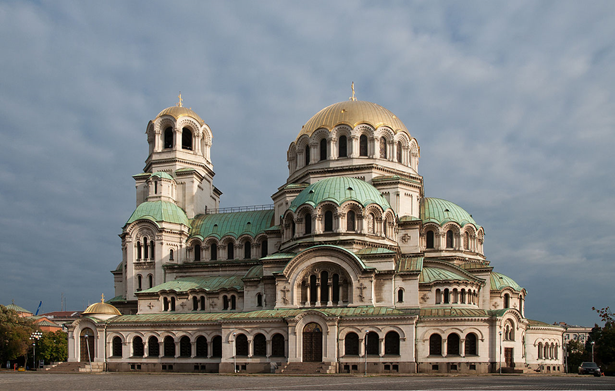
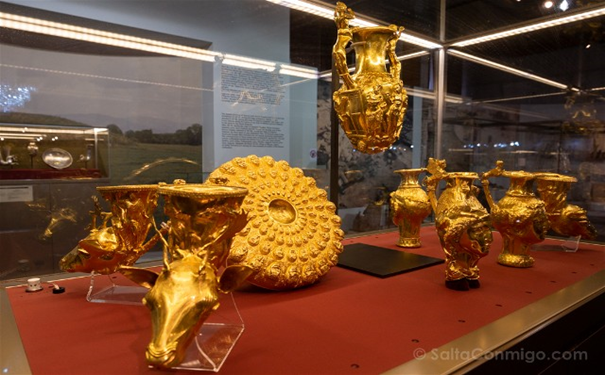
En el barrio de Boyana, si vistas el Museo Nacional de Historia te sorprenderás por el contenido de las exposiciones, y no dejarás de sonreír al pensar que precisamente allí fue una residencia del período comunista ―azares del destino o vuelcos de la historia… El Museo Arqueológico, el Museo Regional de Historia de Sofía y el Museo de Arte Socialista son otros tres puntos esenciales para aprender un poco del desarrollo histórico de esta ciudad.
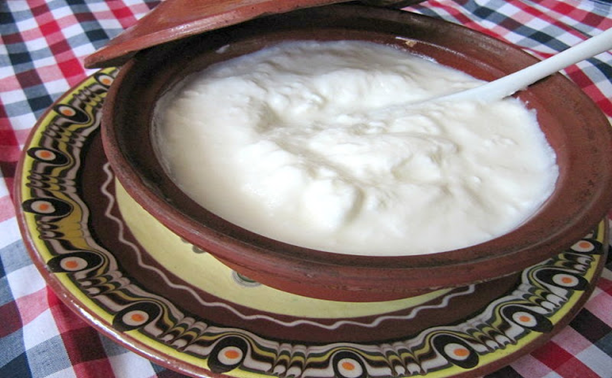
Como buen sibarita y/o gourmet, bien sabes del yogurt y sus propiedades y usos en la cocina. También has oído hablar de los bacilos, lactobacilos o búlgaros ¿verdad? Pues bien, al mejor yogurt del mundo, que se produce en Bulgaria, los lugareños lo llaman kíselo mliáko, que significa leche agria, y es especial porque se elabora con una bacteria que solamente se produce en Bulgaria, la lactobacillus bulgaricus, que fermenta o corta la leche y da vida al yogurt.
Casa Europa México recomienda…
Para tener un acercamiento a las tradiciones búlgaras, este video en Youtube nos hace entender que son muy variadas, tan así que al verlo sabrás que la gaita no se toca exclusivamente en Escocia. (El video está narrado en búlgaro con subtítulos en inglés.)
También puedes leer sobre algunas costumbres, hábitos y curiosidades búlgaras en este blog de viajes:
http://www.greturviajes.com/viajes-a-bulgaria/blog-bulgaria/costumbres-y-tradiciones-en-bulgaria
Referencias de Internet:
Los créditos de imágenes aparecen al pie de la imagen correspondiente.
Adaptación de textos: Homero Adame
Bulgaria text translation into English: Pat Grounds