





CROACIA
Casa Europa México presenta…
Croacia es un país de Europa Oriental atravesado por los Alpes Dináricos y con una larga costa en el mar Adriático frente a Italia, sin compartir límites territoriales; tiene más de mil islas. Colinda al norte con Eslovenia y Hungría, al oriente con Serbia y al sur con Bosnia-Herzegovina y Montenegro. Hacia el sur, el condado de Dubrovnik está dividido en dos porque hay una franja de 20 km de costa que pertenece a Bosnia-Herzegovina, siendo la única salida al mar de este país. La capital es Zagreb.
For English, click → Croatia
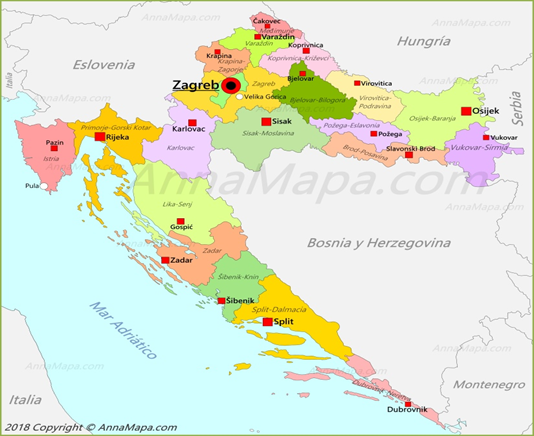
La historia documentada de Croacia se remonta hacia el siglo VII de nuestra era cuando se conformaron dos ducados que más tarde se convirtieron en el Reino de Croacia. Éste con el tiempo hizo alianzas con Hungría y con los Habsburgo, quienes tuvieron en Fernando I un sucesor del trono croata en 1527. Siguió siendo parte del Imperio Austro-Húngaro hasta 1918, cuando tras culminar la Primera Guerra Mundial se conformó el efímero Reino de los Serbios, Croatas y Eslovenos. Durante la Segunda Guerra Mundial los nazis ocuparon Croacia. Con la derrota del nazismo, Croacia se convirtió en un estado socialista y así se conformó Yugoslavia con fuertes nexos con la Unión Soviética. Esto duró hasta 1991 cuando Croacia declaró su independencia y se adhirió a los tratados europeos. Es miembro de la Unión Europea desde 2013.
El idioma oficial es el croata, aunque también se hablan otras lenguas en gran medida gracias al constante flujo migratorio de checos, serbios, montenegrinos, eslovenos, húngaros a incluso italianos. En cuanto a la religión, Croacia es un estado laico con libertad de culto. Más del 80% de la población es católica.
Todo lo anterior ha hecho que la cultura croata sea el resultado de catorce siglos de larga historia que ha visto el desarrollo de muchas ciudades y monumentos, así como tradiciones artísticas y culinarias. El país posee siete sitios del Patrimonio Mundial y ocho parques nacionales. Croacia es también cuna de una serie de figuras históricas, numerosos inventores y tres premios Nobel. Un personaje fue Josip Broz “Tito” que mantuvo en paz la región hasta su muerte en 1980.
Turismo
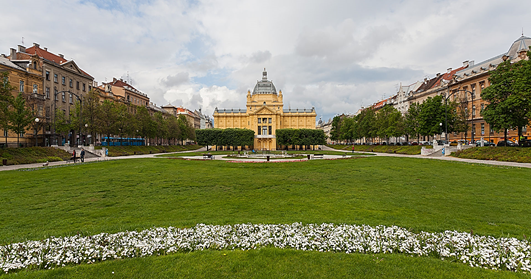
La capital croata y ciudad más poblada es Zagreb, dividida en tres sectores, la ciudad alta o Gornji grad, la ciudad baja o Donji grad y Kapol. Mucha de la arquitectura majestuosa es de estilo austrohúngaro de los siglos XVIII y XIX. Las partes históricas hay que recorrerlas a pie, visitar los museos, galerías o iglesias y tomar un refrigerio en algún café al aire libre o un restaurante para conocer la gastronomía local y regional. El funicular que sale de la calle Tomićeva es un atractivo adicional para ver las panorámicas de la ciudad.
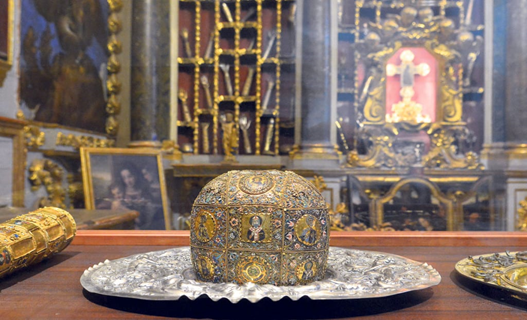
Croacia tiene muchísimos otros atractivos que hay que tomarnos el tiempo para visitar y disfrutar. La principal ciudad costera es Dubrovnik hacia el sur, también llamada “la perla del Adriático”, que tiene murallas enormes que datan del siglo XVI y rodean una ciudad antigua con edificios góticos, como el Palacio del Rector; renacentistas, como el Palacio Sponza, y barrocos, como la catedral de la Asunción que tiene entre sus maravillas un políptico (pintura de varios paneles) del famoso artista veneciano Tiziano, junto con más de 200 relicarios de oro y plata de los siglos XI al XVIII y las reliquias de San Blas, el santo patrón de la ciudad.
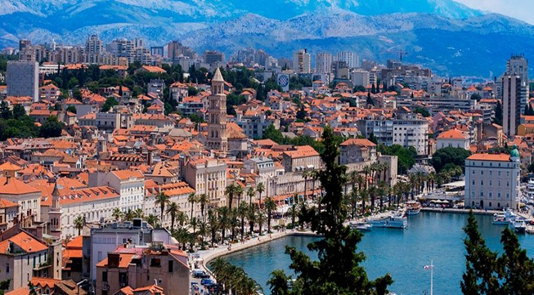
En la región costera del condado de Dalmacia (origen de la raza de perros dálmata), la joya es Split con ruinas romanas del siglo IV en el Palacio de Diocleciano. La isla de Hvar es un centro de recreo de celebridades. Los vinos croatas son poco conocidos en el mercado mundial, pero en Korčula se producen cerca de los bosques de pino.
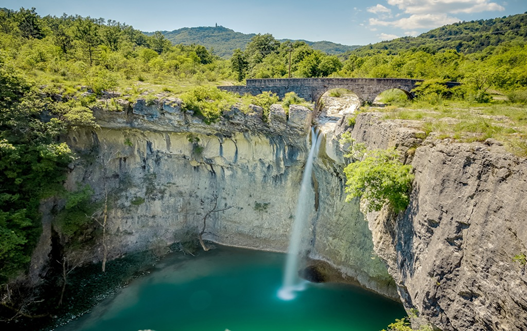
Y un lugar espectacular por sus cascadas y lagos color turquesa, además de sus sitios históricos, es el Parque Nacional de los Lagos de Plitvice.
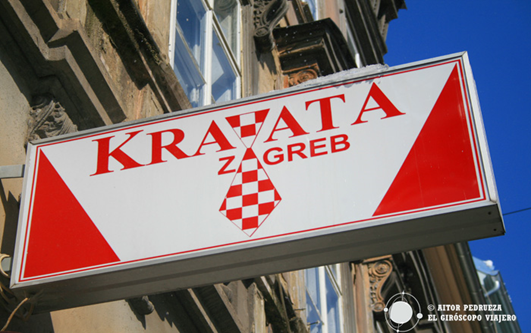
¿Sabías que el origen de la CORBATA viene de Croacia?
En el año de 1635 miles de soldados de la que hoy en día es Croacia, acudieron a París para apoyar al Cardenal Richelieu y al Rey Luis XIII. Lo característico de estos milicianos croatas era su atuendo, algo extraño para su época, pues llevaban anudados al cuello una especie de pañuelo con un nudo hacia la mitad del cuerpo. Esta prenda hizo que los franceses la convirtieran en un atuendo que poco a poco se volvió una prenda clasista, usada por los funcionarios y se le dio un toque más elegante.
Alrededor de 1650 se aprobó el uso de la corbata de forma oficial, y fue en la corte de Luis XIV donde obtuvo más éxito, como símbolo de distinción. Se le llamó “un croate de la” y posteriormente cravate, en francés. Pocos años más tarde la prenda llegó a Inglaterra donde se perfeccionó y de allí salió al mundo a través de las colonias europeas. Sin embargo, tal como la conocemos hoy se debe a Jesse Langsdorf un hombre que en los años 20 del siglo pasado modificó el modelo de la actual corbata dotando a esta prenda con preciadas sedas, estampados y colores.
Casa Europa México recomienda…
Un recorrido visual narrado en español para conocer más las riquezas de Croacia:
Y para algo de música tradicional, que es otra seña más de identidad croata, con danzas folclóricas y el sonido de la tambura o tamburitza, utilizado en toda Croacia, aunque principalmente en la región de Eslavonia. Es un instrumento de cuerda parecido a una bandurria:
Referencias de Internet:
Los créditos de textos e imágenes aparecen al pie de la imagen correspondiente.
Adaptación de textos: Homero Adame
Croatia text translation into English: Pat Grounds