

ESTONIA
Casa Europa México presenta…
La República de Estonia, su nombre oficial, está dividida en 15 condados, dos de los cuales son islas. Limita al norte con el golfo de Finlandia; al este con Rusia, teniendo al lago Peipus –el cuarto lago más grande de Europa– y al río Narva como la mayor parte de la frontera; al sur con Letonia, y al oeste con el mar Báltico. La capital es Tallin.
For English, click → Estonia
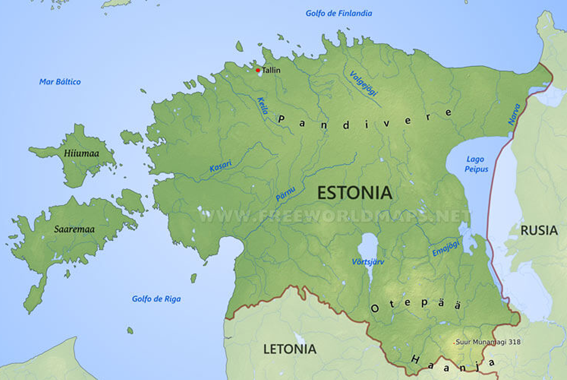
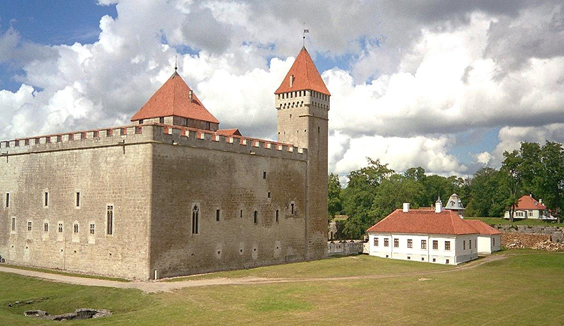
El territorio estonio, con un 50% cubierto por bosques, incluye una pequeña porción de tierra en la ribera meridional del golfo de Finlandia y el país tiene 2,222 islas, de las cuales más de 1,500 se encuentran en el mar Báltico, siendo Saaremaa la mayor y uno de los 15 condados, el de Saare, cuyo castillo de Kuressaare es uno de sus atractivos. Contrario a casi todos los países europeos, Estonia es un país llano; su máxima elevación es el Suur Munamagi, de apenas 318 m. Una peculiaridad es que los inviernos son largos, oscuros y fríos, con un máximo de seis horas de luz al día.
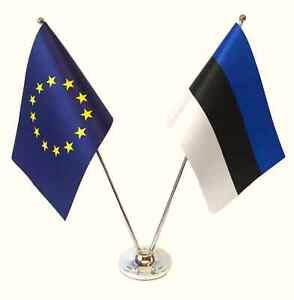
Estonia es un país que a lo largo de su historia ha sido objeto de ocupaciones por diversos imperios como el de Dinamarca, el de Suecia, países como Polonia o la Unión Soviética. Obtuvo su primera independencia en 1918, pero la naciente república fue acosada constantemente por los bolcheviques rusos. Durante la 2da Guerra Mundial, Estonia se alió al nazismo alemán con el propósito de luchar contra la presión soviética. Finalmente cayó en la influencia soviética tras la derrota de los nazis. En febrero de 1990 declaró su independencia, no sin la oposición de Moscú. Fue hasta septiembre de 1991 cuando tal independencia fue aceptada por la Unión Soviética y ratificada por el mundo. Estonia es miembro de la Unión Europea desde 2004; adoptó el euro como moneda corriente en 2011.
El idioma oficial es el estonio, aunque gran parte de la población habla ruso porque hasta 1989 éste era el idioma obligatorio. No hay una religión dominante en Estonia, de hecho es uno de los países menos religiosos del mundo, pues sólo una quinta parte de la población se declara creyente de algún credo.
Otra peculiaridad de Estonia es el estar considerado el país más emprendedor en Europa y es también uno de los países con mayor número de startups (organizaciones que desarrollan productos o servicios innovadores) per cápita de Europa. Empresas de tecnología como Skype, TransferWise, GrabCAD y Starship Technologies son startups que tuvieron su origen precisamente aquí en Estonia. Fue, además, el primer país del mundo en adoptar el voto electrónico en 2005, y también el primero donde se puede votar desde un teléfono móvil.
¿QUÉ HACER EN ESTONIA?
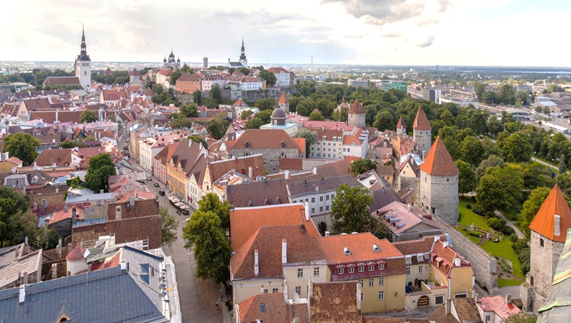
Siendo uno de los países más dinámicos en la región del Báltico, Estonia tiene muchos atractivos para todos los gustos. Empezamos por TALLIN, la capital, que fue la primera ciudad del mundo en dar transporte público gratuito a todos sus residentes. Es una ciudad vibrante que combina armónicamente los rasgos medievales con lo moderno en su casco antiguo, donde se concentran los museos, las tiendas, los cafés, bares y restaurantes y el ambiente relajado. Del silgo XIII hay que visitar la iglesia de San Nicolás y apreciar el arte eclesiástico, el ayuntamiento gótico con su torre de 64 metros de altura desde donde se aprecian inmejorables panorámicas, y del siglo XV tenemos la torre Kiek in de Kök.
Ubicada al suroeste en la costa del mar Báltico, PÄRNU es una ciudad con rasgos medievales, pero también “la capital de verano” del país. Es muy popular por sus playas, hoteles de lujo, parques acuáticos y spas, además de los deportes acuáticos tanto en el delta del río Pärnu hasta en mar abierto.
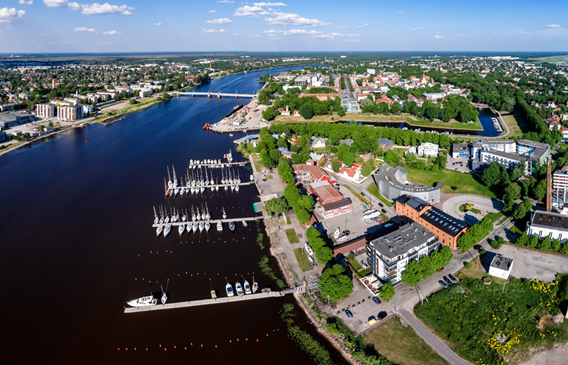
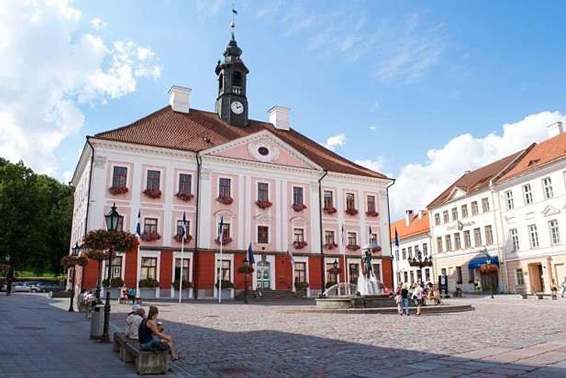
TARTU, hacia el sureste, es una visita obligada por muchas razones. Se trata de una ciudad universitaria asentada sobre el río Emajõgi y la segunda más grande de Estonia, además de ser la universidad más antigua de los estados bálticos. La numerosa población estudiantil y la riqueza de sus museos garantizan que siempre haya eventos culturales, lo que le da un carácter bohemio e intelectual.
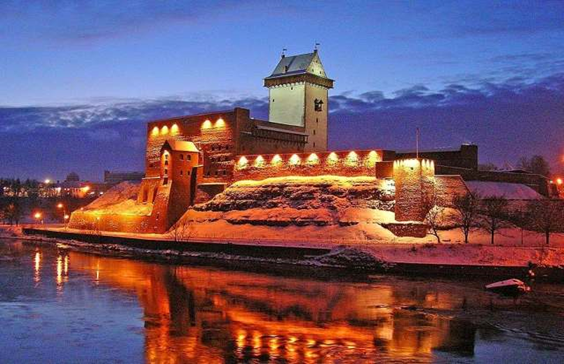
Y hacia el noreste del país, en la frontera con Rusia, vamos a NARVA donde hay castillo del siglo XIII desde el cual se ve en lado ruso con la fortaleza de Ivangorod. En Narva podemos combinar cultura con naturaleza. Existen rutas de excursionismo en el complejo costero Narva-Jõesuu, donde se combina la playa con el bosque de pinos y también el senderismo e incluso la escalada en las colinas de Sinimäe. Una curiosidad de Narva, cuyos inviernos suelen ser extremadamente fríos con días muy cortos, es que sin importar las inclemencias del clima, hay festivales y espectáculos al aire libre todo el año.
Casa Europa México recomienda…
Estonia es uno de los mayores consumidores de cultura per cápita en el mundo. Los 1.3 millones de habitantes realizan 3.4 millones de visitas a museos, 3.5 millones al cine, 2 millones a conciertos y 1.2 millones al teatro cada año.
Una tradición muy propia que se lleva a cabo cada cinco años es “Naiskoorid laulupidu”, un festival de canto que reúne a más de cien mil personas y en algún momento hacen un coro gigantesco.
Referencias de Internet:
Los créditos de textos e imágenes aparecen al pie de la imagen misma.