



FINLANDIA
Casa Europa México presenta…
La República de Finlandia, su nombre oficial, está situada en el noreste de Europa y es el segundo más extenso de los países nórdicos. Colinda al norte con Noruega, al este con Rusia y al oeste con Suecia; la parte sur está rodeada por el mar Báltico. Es país miembro de la Unión Europea desde 1995 y su capital es Helsinki, ubicada al sur con costas del Golfo de Finlandia.
For English, click → Finland
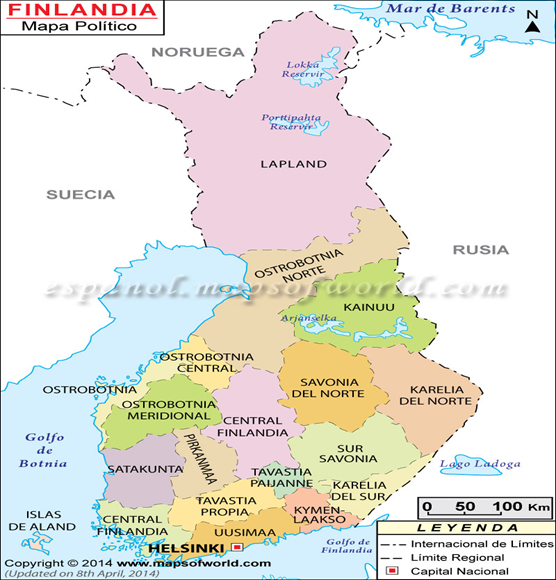
La población es de casi 6 millones de habitantes, número por el cual, según la extensión territorial, es el país menos densamente poblado de la Unión Europea con 16 habitantes por km². La lengua materna de la mayoría de los pobladores es el finés o finlandés, y la segunda lengua oficial es el sueco.
La historia finlandesa se puede resumir en tres etapas: fue parte se Suecia hasta 1809. Entre 1809 y 1917 estuvo anexada al imperio ruso como el Gran Ducado de Finlandia. Con la caída de la Rusia zarista, Finlandia logró su independencia y tiene un gobierno parlamentario y democrático.
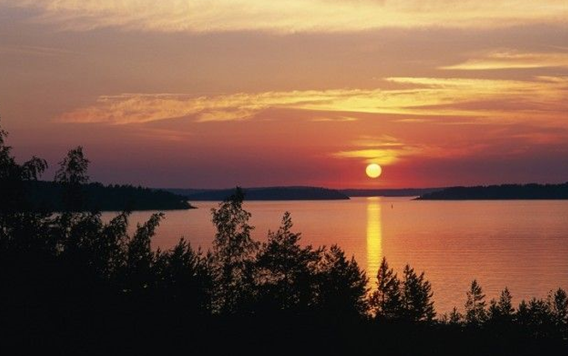
Los inviernos en Finlandia son muy largos, con hasta 120 días en Helsinki, en el sur, o 180 días en Laponia, la parte norte del país. La temperatura más baja fluctúa entre –25 °C en el sur y –40 °C en el norte. Los veranos, en cambio, son más cálidos pero raras veces alcanzan más de 25 °C. Los días de verano son tan largos que uno de los atractivos turísticos es el sol de medianoche, fenómeno cuando en fechas próximas al solsticio de verano el sol es visible las 24 horas del día. Este fenómeno nada tiene que ver con las auroras boreales que veremos más adelante.
¿QUÉ HACER EN FINLANDIA?
Planear unas vacaciones en Finlandia implica plantear objetivos, pues todo depende de la época del año en que quieras ir. Sin embargo, hay cosas imperdibles, empezando con Helsinki que es un puerto donde paran los cruceros que navegan por el mar Báltico o el ferry proveniente de Tallin (capital de Estonia).
En el centro de la capital finlandesa hay una interesante combinación de edificios clásicos y modernos de estilo nórdico, que se pueden visitar en recorridos peatonales en días sin lluvia. Algunos de sus atractivos turísticos son la iglesia de Temppeliaukio, la Plaza del Mercado, el mercado Vanha Kauppahalli y el Parque Sibelius. Algunos tours son gratuitos y con las explicaciones de los guías te darás una mejor idea de su interesante historia.
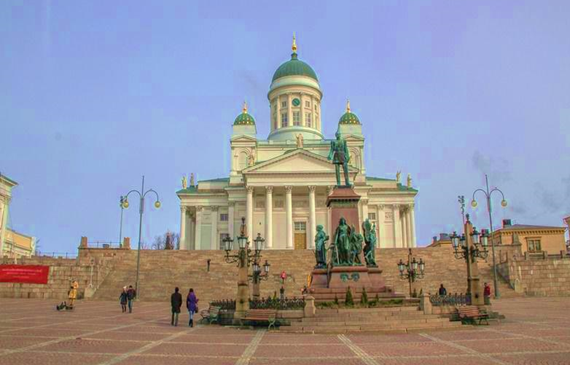
La fortaleza de SUOMENLINNA (en finés) o Sveaborg (en sueco), es una maravilla que fue construida a partir de 1748 sobre seis islas, en Helsinki. Por su antigüedad, su estructura y su valor histórico es parte del Patrimonio de la Humanidad de la Unesco y una de las visitas obligadas cuando estamos en Helsinki.
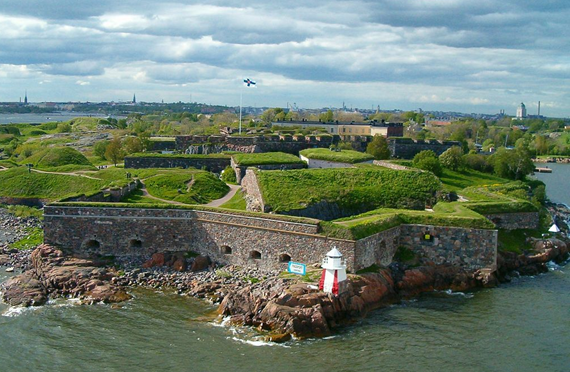
Si tienes espíritu explorador, has de saber que a Finlandia se le conoce como "la tierra de los mil lagos", aunque en realidad tiene 188,000 en su territorio. En cuanto a islas e islotes tiene más de 20,000, muchas de ellas en el archipiélago de Turku, al suroeste, que es el más grande del mundo. Existe una ruta turística apta para exploradores y excursionistas llamada “Archipielago trail” que te lleva a conocer algunas de las islas de Turku e incluye pueblos o aldeas de pescadores. Una época interesante para hacer esta ruta es el otoño por sus colores en el follaje de los bosques.
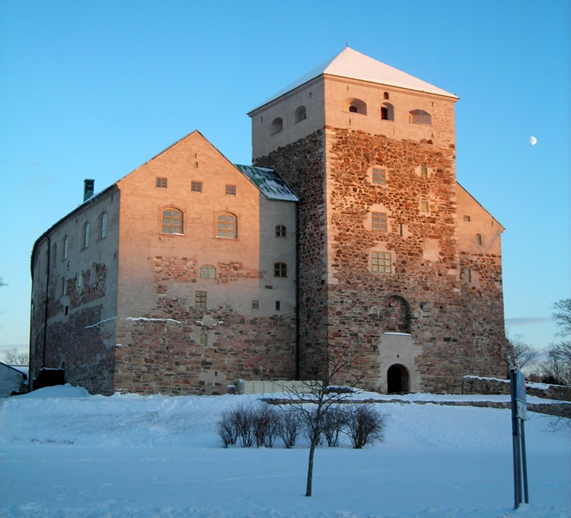
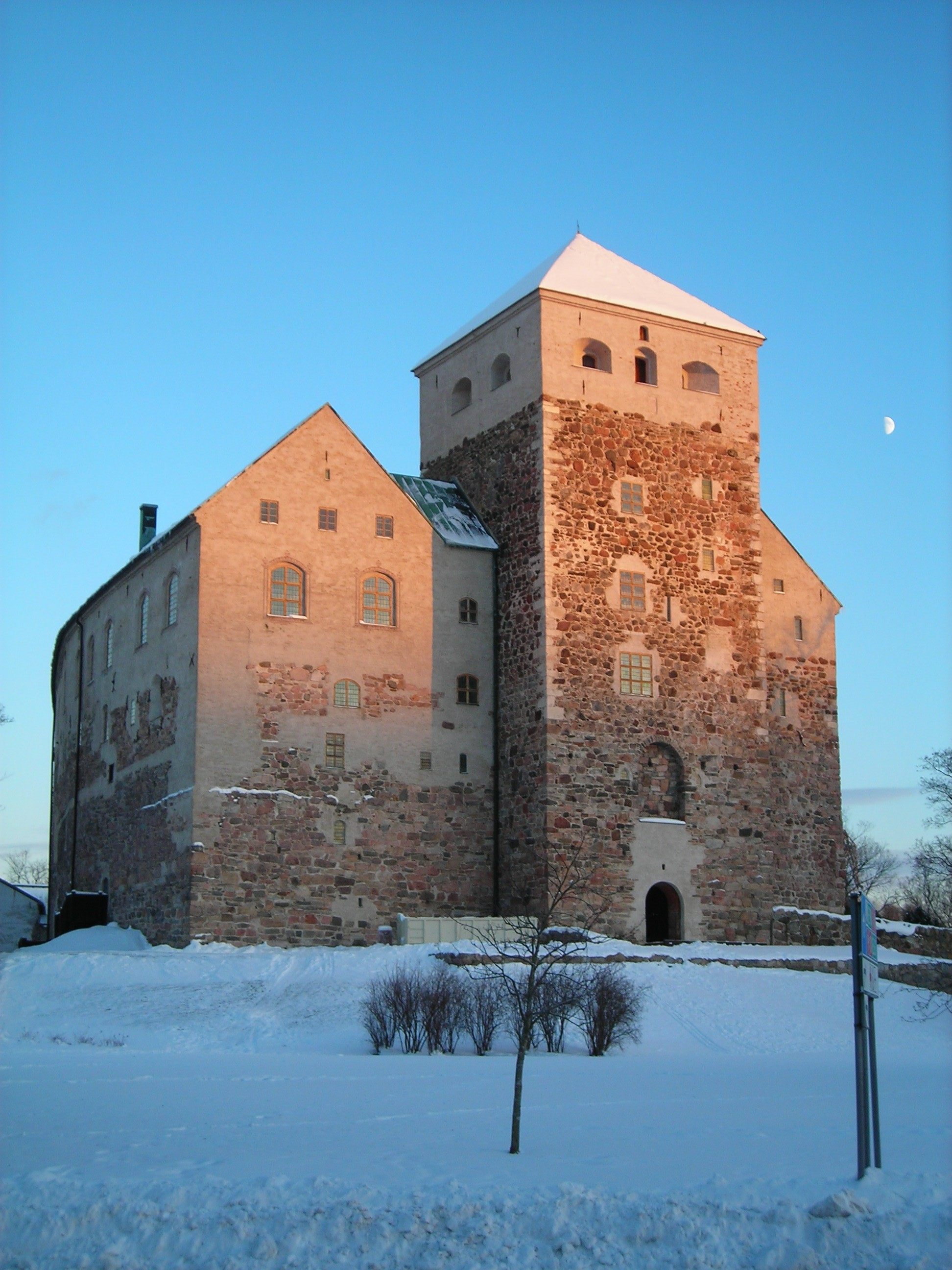
Además, TURKU es una ciudad que se fundó el siglo XIII, tiene un fantástico castillo medieval, el más antiguo de Finlandia, con una fortaleza y un museo de historia.
Casa Europa México recomienda…
Como vamos ahora a las frías noches finlandesas, para entrar en calor tomamos un vaso de la bebida más típica, el vodka, mientras escuchamos la pieza “Finlandia” de Sibelius y así entramos en el humor y ambiente.
Y ahora sí, uno de los grandes atractivos de Finlandia es Laponia (Lapland), hacia el norte, por las auroras boreales. Disfrutemos de tan singular fenómeno desde este enlace de Youtube en una producción de Santatelevision (narrado en inglés con subtítulos en español) en la cual nos dan mito, leyenda, ciencia y recorridos visuales de esta maravilla de la naturaleza, que no es lo mismo que “el sol de medianoche”.
Referencias de Internet:
Los créditos de textos e imágenes aparecen al pie de la imagen misma.