


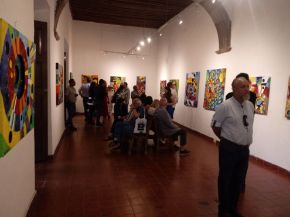


FRANCIA
Casa Europa México presenta…
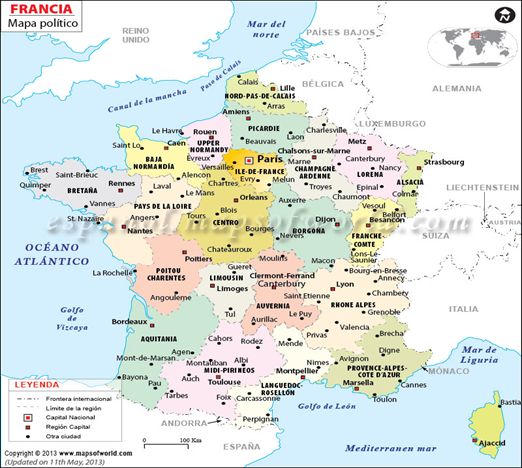
Francia es un país ubicado en Europa Occidental. Al norte colinda con Bélgica; al este, con Luxemburgo, Alemania, Suiza e Italia; al sur, con Mónaco; al suroeste, con España y con Andorra. Al oeste están las costas del mar Cantábrico, el océano Atlántico, y el canal de la Mancha hacia el noroeste. También tiene costas en el sur con el mar Mediterráneo, donde se encuentra la isla de Córcega que es una de las 18 regiones de Francia, 13 de las cuales están en territorio continental, incluyendo la Isla de Francia, donde se sitúa París, la capital. Es miembro fundador de la Unión Europea cuando en 1951 se firmó el Tratado de París, el primer antecedente de la UE.
¿QUÉ HACER EN FRANCIA?
Como bien sabemos, hay muchas maneras de viajar, para todos los gustos, necesidades y presupuestos. En este caso, llego directamente a PARÍS y del aeropuerto tomo un taxi al hotel. El metro es un transporte mucho más barato, pero en esta ocasión prefiero ir en auto para ir agarrando sabor, ir sintiendo el aire parisino. Luego de instalarme en el hotel y refrescarme, es hora de salir a caminar. París es una de esas ciudades que caminando se disfruta más. Pero si tienes prisa de ir de un lugar a otro, el metro es lo más rápido, eficiente, puntual y económico. Vale la pena preguntar y así conseguir un pase del metro, que incluye algunos museos y ciertas zonas metropolitanas, válido por los días que uno va a estar en la capital francesa.
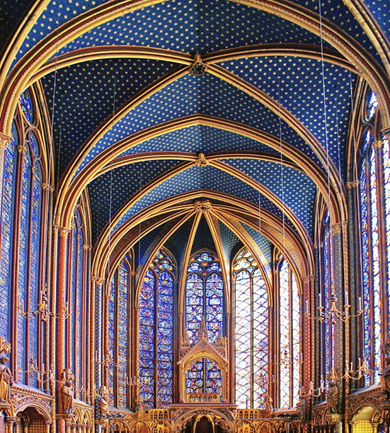
Entonces, ¿por dónde empezar? Inevitablemente nuestros pasos nos llevarán a la Isla de París, que vendría siendo como el mero centro. Justo allí se encuentra la emblemática catedral de Notre-Dame, donde puedes pasar horas disfrutando el arte eclesiástico y los detalles que estén permitidos visitar después del atroz incendio en abril de 2019 que casi arrasó con esta joya de arquitectura gótica cuya construcción empezó en 1163. A pocos pasos está la Sainte-Chapelle, también conocida como Capilla real de la Île de la Cité, que es una verdadera reliquia y considerada una de las obras cumbre del periodo radiante del estilo gótico, construida entre 1242 y 1248.
Con eso es suficiente para un primer día, pero no es hora de irse a descansar porque París nunca duerme. En esa zona de la ciudad o a las orillas del río Sena hay cafés y restaurantes, también antros y vida nocturna, como en el sector de Pigalle que queda por el rumbo de la Basílica del Sacré Cœur (Sagrado Corazón) y el barrio latino, otra visita que hay que dedicarle tiempo. Para un descanso, si el clima es agradable, nada mejor que conseguir una mesa en algún café al aire libre y observar a la gente en su devenir.
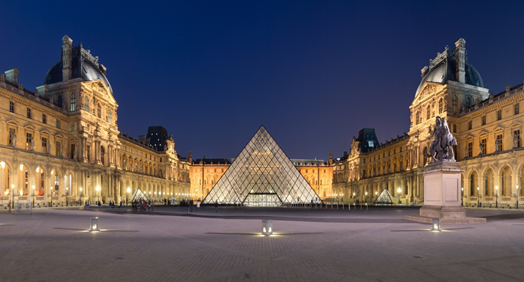
El Museo del Louvre, creado en 1793, es el museo nacional de Francia, dedicado al arte anterior al impresionismo, tanto en bellas artes como en arqueología y artes decorativas. Es tan rico en sus colecciones que no te lo acabas, así que hay que dedicarle tiempo y no sólo hacer una larga y tediosa fila para ver a la Mona Lisa, que es la obra más visitada.
Para más cultura, el Centro Georges Pompidou, que es el Centro Nacional de Arte y Cultura de París y fue inaugurado el 31 de enero de 1977, es una opción porque alberga el IRCAM, un centro de investigación musical y acústica; la biblioteca (Bibliothèque Publique d'Information) y el Museo Nacional de Arte Moderno (Musée National d'Art Moderne) que posee alrededor de cien mil obras. Puedes pasar horas o días en este centro de arquitectura polémica en su tiempo, pero hoy parte esencial de lo ecléctico que puede ser París.
Ya lo he dicho, París hay que caminarlo, y caminando pasas por el bucólico jardín de Luxemburgo, y ya por ahí voy al cementerio de Montparnasse para saciar mi curiosidad y visitar dos cachitos de México representados en las tumbas de dos ilustres mexicanos, Porfirio Díaz y Carlos Fuentes.
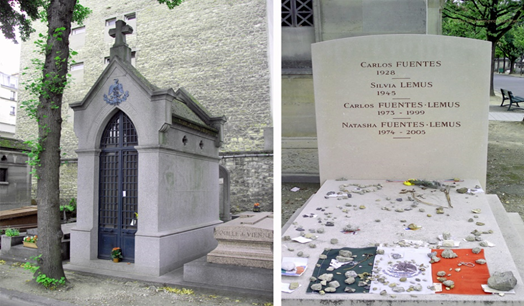
Archivo fotográfico de Homero Adame
Y sigo caminando hasta llegar a Trocadero, donde se encuentra la emblemática torre Eiffel, construida en 1887. Hay que subir al mirador desde donde se ven panorámicas espectaculares de París y más allá.
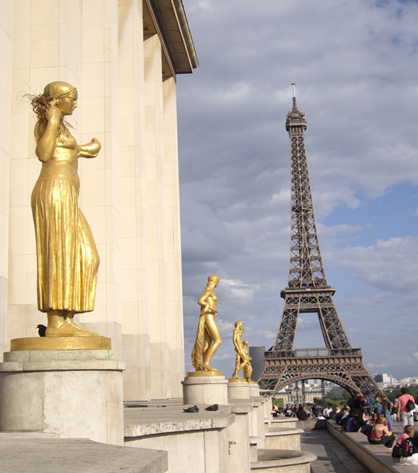
Archivo fotográfico de HA
La caminata, con algún descanso en un café o restaurante, inevitablemente te lleva hasta el Arco del Triunfo, otro de los grandes iconos parisinos en pleno Champs Elysées, la calle más emblemática con hoteles, restaurantes, perfumerías, boutiques, salas de té…
Lo cierto es que París tiene tanto que ver y tanto que visitar que es recomendable planear y decidir qué quieres hacer. Pero también hay que explorar, sin plan de por medio. Para más de historia voy al castillo de Vinceness en un extremo de la ciudad, o para alejarse del bullicio citadino y sentirme en la naturaleza tomo la línea 1 del metro y en poco tiempo estoy en el otro extremo para disfrutar el Bois de Boulogne; para teatro o conciertos voy a la plaza de la República y a la Ópera para ver la disponibilidad de boletos en la mucha oferta en cartelera –esto obviamente se puede hacer desde la comodidad del celular, pero ando explorando y caminando la ciudad al mejor estilo flâneur posible. Si quiero más arte funerario y personajes célebres, el cementerio de Père Lachaise es ideal. Y así, galerías, tiendas, antros, museos, iglesias, gastronomía, cavas y hasta un paseo turístico en turibús o en batobús por el río Sena. Y si el día es copiosamente lluvioso, otro espacio cultural o un cine de arte nos completa el panorama.
Si acaso hay un “pero” de venir a París ha de ser que un día te tienes que ir, pero no sin dejar de visitar el Palacio de Versalles, el castillo más visitado en Francia que fue hogar de la monarquía desde que lo construyó Luis XIV entre 1661 y 1692. Hay varias maneras de llegar, pero una que vale la pena es la combinación tren y bicicleta. Y bueno, como este viaje es por Francia, pongo el mapa sobre la mesa y decido qué hacer en los próximos días.
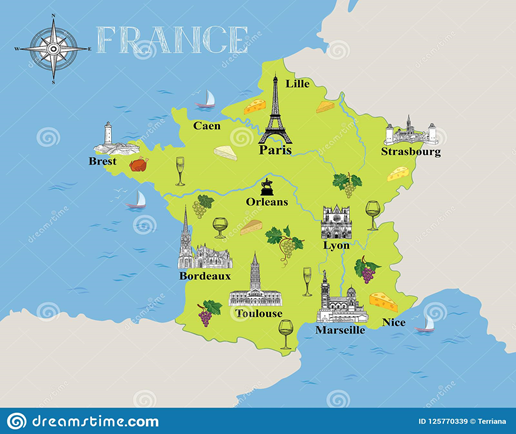
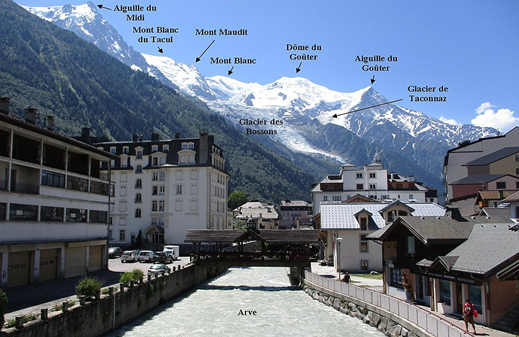
Francia es un país tan vasto y rico en cultura y tradiciones que es necesario planear lo que uno quiere hacer por el resto de su estancia y también saber cómo moverse. Los vuelos internos pueden ser económicos y una muy buena opción, pero algo que me encanta es el tren; hay de esos que van puebleando y otros súper rápidos. Entonces estudio el mapa, veo lo que quiero hacer, calculo tiempos. Vinos… regiones de Rhône, Beaujolais, Borgoña, champaña… Hacia el noreste de París, en las cercanías de REIMS, está la región de la champaña. Si de allí me sigo hasta el extremo oriente llego a ESTRASBURGO, una ciudad fronteriza con Alemania, con gran mezcla cultural de influencias francesas y alemanas y nada menos que la sede del Parlamento Europeo. Si me voy rumbo a LYON sé que es la antesala de los Alpes. Ahora, que si ando por ahí en invierno me voy a CHAMONIX a esquiar y a disfrutar de Mont Blanc, el pico más alto de esa cordillera europea.
¿Playas? Hay muchas en el Atlántico francés, desde Calais al norte hasta Bayona, al sur. BREST es un lugar interesante en sí mismo por ser el punto más occidental de Francia. Las mejores playas, sin embargo, están hacia el sureste del país, en la Riviera francesa o Costa Azul correspondiente al Mar Mediterráneo.
Veo el mapa y pongo el dedo en NIZA. Como ando en plan de viajar en tren, el trayecto normal de París a Niza es de 6h 41m. Son tan puntuales los servicios ferroviarios que sin duda no habrá retraso. Pero si me voy en el tren más rápido, llego en 5h 59m. La llamada “capital de la Costa Azul” es todo glamour, belleza y riqueza por doquier. Los museos de Matisse y el de Marc-Chagall son visita obligada, aparte de las playas, claro. Y ahí cerquita, si es el mes de mayo no me pierdo el Festival de Cannes; festival que premia lo mejor del cine y no tiene que rivalizar con los Oscares de Hollywood. (Este año de 2020, con el mundo paralizado por algo que rebasa nuestro entendimiento, la premiación para este festival se hizo en julio con público muy reducido.)
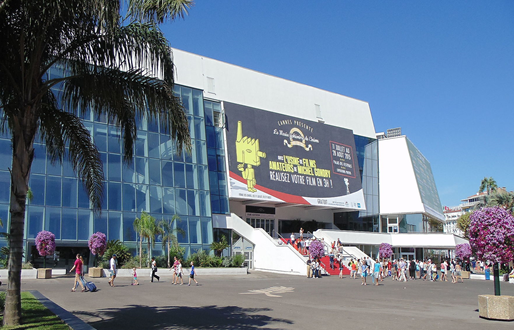
Una nota importante: si la idea es viajar en tren, es recomendable conseguir el pase de Rail Europe que puedes usar tantas veces como quieras por el periodo adquirido, y no sólo dentro de Francia. Otra opción para ir a la Costa Azul es tomar el TGV de París a MARSELLA, para estar allá en 3 horas 5 minutos. El puerto de Marsella es la segunda ciudad más poblada de Francia y el tercer puerto más importante de Europa, después de Róterdam y Amberes.
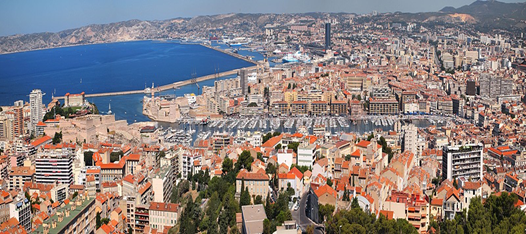
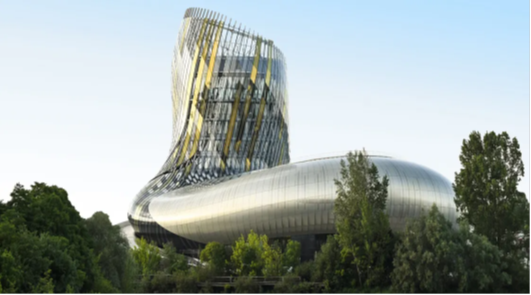
Hay muchísimo que ver y hacer en Marsella, como también en MONTPELLIER donde aprovecho para visitar la catedral de San Pedro, imponente por su estilo gótico y sus torres cónicas y luego recorrer la región vitivinícola de Languedoc. Esta maravilla fue construida en 1364. TOULOUSE es otra ciudad que hay que agendar y tomar como punto de parida si uno quiere ir a los Pirineos. Está en la región de Occitania, tiene un clima que puede ser extremoso, pero en general muy agradable excepto cuando llega el “viento de locura” por ahí del mes de mayo. Y luego BURDEOS… Burdeos, Bordeaux, sí es lo mismo, la famosísima región de vinos tintos. Hay tantos viñedos, cavas y vinos de gran calidad que hay que invertir tiempo. Pero si quieres un resumen, el museo La Cité du Vin, dedicado al vino en todas sus facetas, te saca del apuro y luego regresas a casa, con muchas fotos, y recuerdos.
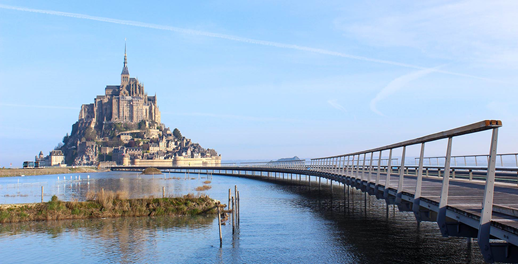
Y así seguimos dándole la vuelta al país y llegamos al valle de LOIRE, famoso por sus vinos tintos y castillos, así como la histórica ciudad de ORLEANS, atravesada por el río Loira, el más importante y largo del país. Y un poco más al norte se encuentra la región de Normandía, donde la histórica ciudad de Caen es otra de las tantas visitas obligadas, como también lo es la isla monástica de Mont-Saint-Michel, una abadía benedictina de estilo gótico en la Normandía que fue construida entre los siglos XI y XVI y es desde 1979 Patrimonio de la Humanidad de la UNESCO. Esta isla tiene una gemela al sur de Inglaterra, en el condado de Cornualles.
Luego subo a Le Havre o incluso a Calais, en el extremo noroeste, para tomar un ferry que me lleve a las costas británicas porque Gales es nuestro siguiente destino.
Casa Europa México recomienda…
Qué te parece si hacemos un recorrido de 8:13 minutos por París en un Ferrari, a toda velocidad, por calles casi desiertas porque es de madrugada. ¡Disfrútalo!
Si quieres darte una idea muy completa de los vinos franceses, este video de casi 13 minutos, narrado en español, nos ofrece un recorrido por casi todas las regiones vitivinícolas.
Referencias de Internet:
Los créditos de textos e imágenes aparecen al pie de la imagen correspondiente.
Adaptación de textos: Homero Adame
France – traducción al inglés: Pat Grounds