


ESLOVAQUIA
La gente joven ha oído hablar o ha estado en Eslovaquia, pero las generaciones anteriores sabían de un país llamado Checoslovaquia, otrora conformado por la República Checa (o Chequia) y la República Eslovaca (o Eslovaquia). En la actualidad son dos países distintos en muchos sentidos, pero con una historia que tuvieron en común hasta el fin del comunismo soviético en 1989 y que se separaron oficialmente el 1° de enero de 1993.
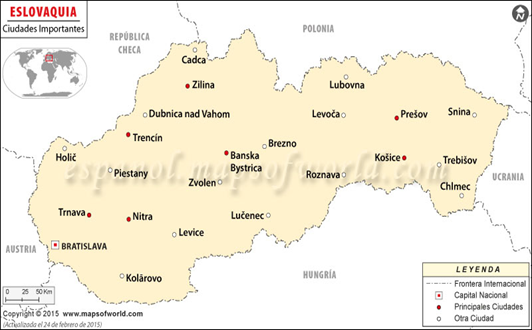
Eslovaquia, cuya capital es Bratislava, está situada en Europa Central. Colinda al norte con Polonia, al este con Ucrania, al sur con Hungría, al oeste con Austria y al noroeste con República Checa. Es miembro de la Unión Europea desde 2004. El idioma oficial es el eslovaco y la religión dominante es el cristianismo latino, una variante regional del catolicismo, pero hay libertad de culto y varias religiones están aceptadas siempre y cuando tengan como mínimo 50,000 feligreses.
Los territorios eslovacos fueron ocupados por los celtas hacia el año 450 a.C. siendo ellos los que se establecieron donde hoy es Bratislava. Para el año 6 de nuestra era, los romanos ocuparon esos territorios, fundando asentamientos a lo largo del Danubio. Después tuvo su propio reino bárbaro de Vannius y posteriormente principados germánicos cuando empezaron a llegar los pueblos eslavos. Existió un efímero Imperio de la Gran Moravia hasta que fue tomada por el Reino de Hungría y posteriormente por los Habsburgo con su Imperio Austro-Húngaro tan extenso que Bratislava era la capital de Hungría hasta 1848, cuando la capital fue trasladada a Budapest.
Concluida la Primera Guerra Mundial se conformó Checoslovaquia, que incluía a las regiones de Bohemia y de Moravia, no sin antes haber existido la efímera República Soviética Eslovaca. En 1945, al término de la Segunda Guerra Mundial, Checoslovaquia cayó en la influencia de la Unión Soviética hasta el fin del comunismo soviético en 1989. Desde 1993 es una república con un sistema político democrático parlamentario.
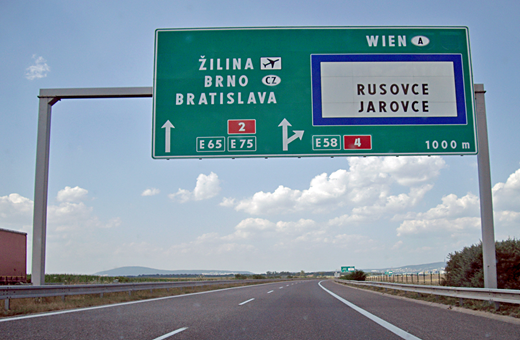
Foto Archivo Fotográfico de Homero Adame
Según la opinión de muchos viajeros expertos, Bratislava no es una ciudad que se distinga por su belleza, aunque claro que tiene sus atractivos que fueron restaurados tras la caída del régimen comunista, que es cuando el centro histórico se volvió peatonal. La catedral de San Martín, donde varios reyes de Hungría fueron coronados, el Teatro Histórico Nacional y la iglesia de Santa Isabel son visitas obligadas, como también lo es el castillo de Bratislava, donde se encuentra el Museo Histórico de la Ciudad.
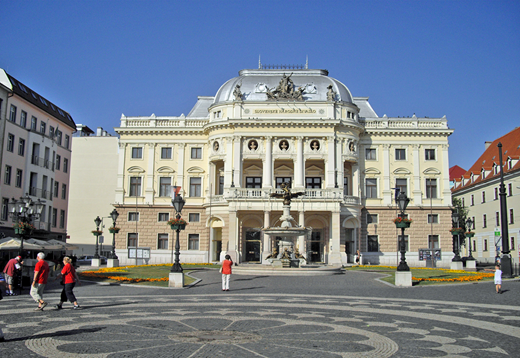
Foto Archivo Fotográfico de Homero Adame
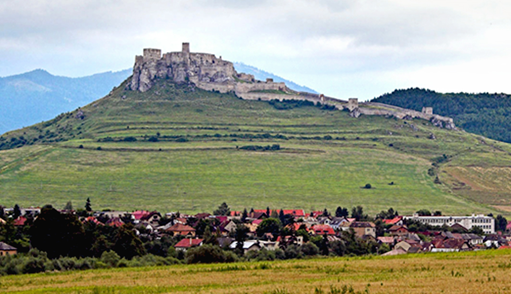
Y ya que hablamos de castillos, en Eslovaquia existe una ruta turística de castillos. Entre muchos podemos mencionar el castillo de Devin que se encuentra cerca de Bratislava, el de Orava, el castillo de Bojnice que tiene como atractivo adicional el Festival Internacional de Monstruos y Fantasmas, que se celebra anualmente hacia finales de abril o principios de mayo, y el castillo de Spissky Hrad construido en el siglo XII sobre un castillo anterior, perteneció al rey de Hungría y fue el centro cultural, político y administrativo del condado de Szepes.
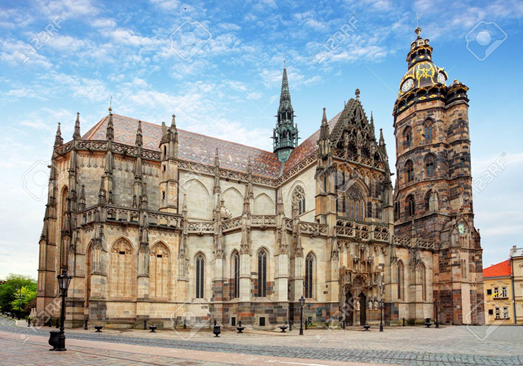
Si apuntamos que Bratislava para muchos viajeros no es una ciudad del todo atractiva, es justo decir que la ciudad más bella de este país es Košice, también considerada la ciudad cultural de Eslovaquia a tal grado que en 2013 fue la Capital Cultural Europea. Entre sus muchos atractivos destaca la catedral de Santa Isabel que es la mayor en el país y la catedral gótica más oriental de Europa.
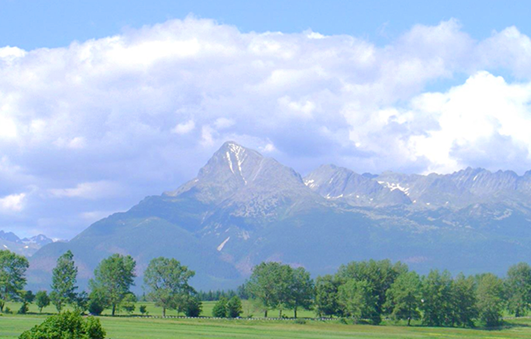
Los Cárpatos es un sistema montañoso que se extiende a todo lo ancho de la zona septentrional de Eslovaquia. Por ser de clima frío en invierno, hay lugares muy populares para esquiar en los Altos Tatras. En verano mucha gente práctica el senderismo y el excursionismo en las montañas de Tatras, y para los alpinistas el pico Gerlachovský štít, el más alto de Eslovaquia, es todo un reto por sus 2,655 msnm. Y cerca de las montañas Tatras se encuentra el Parque Nacional de Slovensky Raj, que con sus 44 cuevas es un paraíso para los espeleólogos y los aficionados a esta disciplina, así como para quienes gustan de visitar cuevas. La de Dobsina es una maravilla en sí misma por ser una cueva de hielo.
Casa Europa México recomienda…
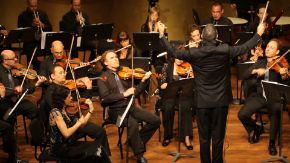
La cultura eslovaca tiene fuertes influencias alemanas, austriacas, eslavas y húngaras que en cierta medida se reflejan en la música. Para sentir el ambiente eslovaco disfrutemos de un concierto con la Orquesta del Ballet Folklórico Nacional de Eslovaquia:
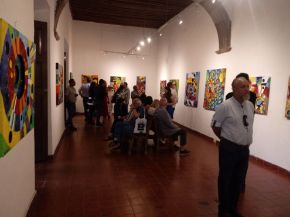
Has de saber que en nuestras instalaciones de Casa Europa México, aquí en San Miguel de Allende, teníamos programada para este pasado mes de abril una exposición que iba a enviar la Embajada de Eslovaquia. Tuvo que posponerse debido a la pandemia que a todos nos afecta por igual. Cuando esto concluya y las cosas retomen un cause permitido, reprogramaremos esta exposición de arte eslovaco para que los sanmiguelenses y los visitantes la disfruten en nuestras galerías. Está al pendiente o te avisaremos por los medios si ya te tenemos registrado como amigo del CEM.
Referencias de Internet:
Los créditos de textos e imágenes aparecen al pie de la imagen misma.