


ESLOVENIA
Casa Europa México presenta…
La República de Eslovenia, su nombre oficial, es un país de Europa Central. Limita al norte con Austria, al este con Hungría, al sur con Croacia y con Italia al oeste. Tiene 46 km de costas en el mar Adriático al oeste, siendo Koper el puerto más importante. La capital y ciudad más poblada es Liubliana. Es miembro de la Unión Europea desde 2004.
For English, click → Slovenia
El idioma oficial es el esloveno que se habla en el sur del país. Se menciona esto porque el esloveno en sí es una mezcla de lenguas y culturas eslavas, germánicas y románicas, al grado que el esloveno tiene 46 dialectos diferentes, pero el del sur es el idioma oficial.
Las palabras Eslovenia (Republika Slovenija) y Eslovaquia (Slovenská republika) tienen el mismo origen etimológico y por eso suelen ser confundidas entre sí en numerosos idiomas, entre ellos el español y el inglés (Slovenia y Slovakia) y mucha gente piensa que son el mismo país.
La historia eslovena está más ligada con Italia, Austria y Alemania al siempre formar parte de reinos e imperios de Europa Central, como el Austro-Húngaro de los Habsburgo, lo que ha propiciado que la religión sea católica o protestante, que es también parte de la identidad eslovena. Contrario a países vecinos como Croacia o Hungría, Eslovenia nunca fue parte de los cuerpos políticos que gobernaron la mayoría de los Balcanes, como el Imperio Romano de Oriente (iglesia ortodoxa) y el Sultanato de Turquía (islam).

En la época soviética, Eslovenia fue provincia de Yugoslavia hasta que logró su independencia en 1991. Desde entonces es un país soberano dividido en ocho regiones tradicionales, aunque para asuntos políticos y de estadística son 12 las regiones oficiales.
PARA CONOCER:
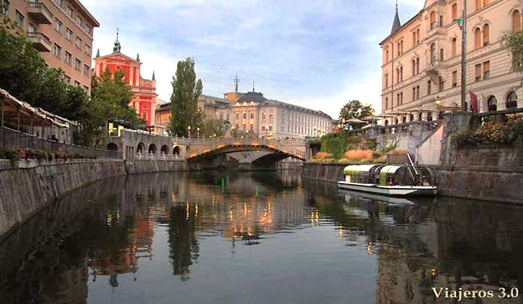
Liubliana, la capital de Eslovenia, no es para muchos viajeros tan monumental como otras capitales europeas, pero al igual que en todas partes, tiene sus atractivos que hay que explorar y disfrutar. Un recorrido peatonal por el centro, o Stare Miasto, inevitablemente nos lleva a la Plaza del Ayuntamiento, a la Catedral de San Nicolás, al puente del Dragón (símbolo de la ciudad) y al Triple Puente. Si te sientes cansado y requieres un refrigerio, los cafés, bares y restaurantes en los márgenes del río Ljubljanica son la mejor opción, con un ambiente relajado, óptimo para el turista de cualquier edad.
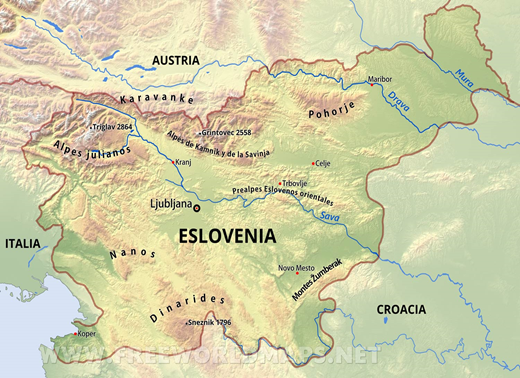
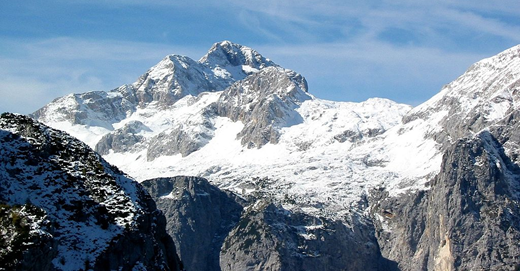
Eslovenia es un país montañoso. Destacan los montes Karavanke, los Alpes de Kamnick, las Dinarides y, sobre todo, los Alpes Julianos, donde se encuentra el pico más alto del país, el monte Triglav con 2,864 msnm. Este pico es símbolo nacional y aparece en la bandera eslovena. Ahí se ubica el Parque Nacional de Triglav, el único en el país con esa denominación, en cuyos valles corren dos ríos, el Soča y el Sava que irrigan los fértiles campos y ha sido desarrollo de pueblos y ciudades a todo lo largo de las riveras de ambos hasta que desembocan uno en el Mar Adriático y otro en el Mar Negro.
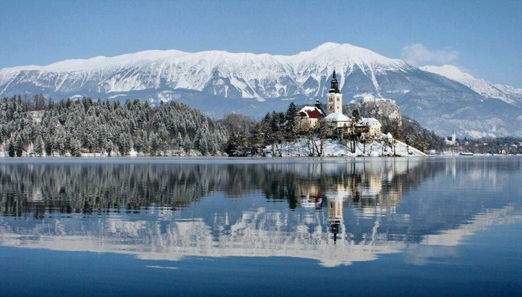
Cuando pensamos en vacaciones, generalmente imaginamos días soleados, espacios lacustres y calor veraniego, pero lo cierto es que también hay lugares ideales para las vacaciones invernales. Un destino de invierno muy popular en Eslovenia es el lago de Bled, ubicado en las faldas de los Alpes Junianos junto a la ciudad de Bled. Como atractivo adicional tiene una pequeña isla con una iglesia.
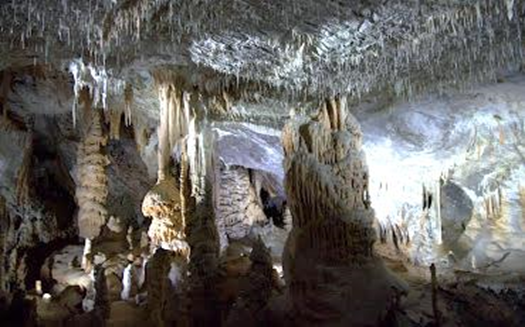
Las grutas de Škocjan y la cueva de Postoina, ambas al poniente entre la ciudad eslovena de Postojna y de la ciudad italiana de Trieste, son maravillas subterráneas que hay que conocer. Postoina es un conjunto de 20 kilómetros de túneles y galerías, de las cuales solo cinco están abiertas al público. Es también la cueva más visitada en Europa. En 2013, Eslovenia emitió una moneda conmemorativa de 2 euros para celebrar el 800 aniversario de su descubrimiento.
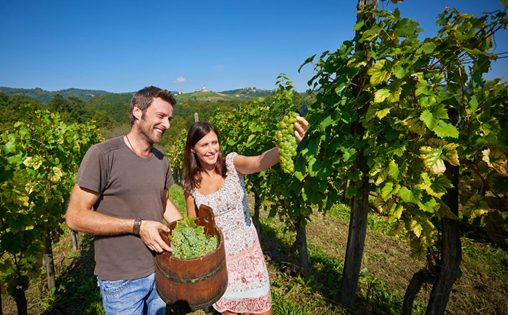
En México, en los últimos años ha crecido el interés por los vinos de mesa. Acá son comunes los españoles, los franceses, argentinos, chilenos, incluso australianos, ¿pero qué sabemos de los vinos tintos eslovenos que raras veces –por no decir nunca– se exhiben en los estantes de las tiendas comerciales? Pues bien, el vino de mesa es tan cotidiano en Eslovenia que hay un viñedo por cada 70 personas. La región de Karst produce vinos rojos de clase mundial, incluyendo la uva Merlot y la Teran, mientras que en la península de Istria se producen vinos blancos.

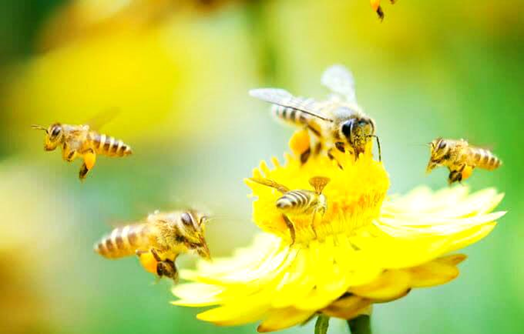
Otro de los principales productos de Eslovenia es la miel de abeja, con 90,000 apicultores en una población total de 2 millones de habitantes. El 20 de mayo es el día a mundial de las abejas, la fecha porque ese día de 1734 nació Anton Janša, en Breznica, Eslovenia. Él fue uno de los pioneros de la apicultura moderna y fue profesor de apicultura en la corte de los Habsburgo, en Viena.
Casa Europa México recomienda…
Un recorrido visual y explicativo por Eslovenia en este documental de 52 minutos producido por Radio Televisión Española.
Referencias de Internet:
Los créditos de textos e imágenes aparecen al pie de la imagen misma.