


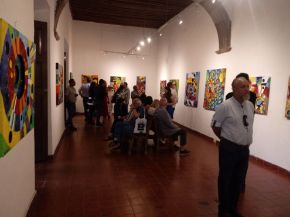


ESPAÑA
Casa Europa México presenta…
Sin duda no hay país europeo con el cual México se sienta más identificado que España. Por razones históricas, agridulces, por el idioma, por muchos motivos más, para nosotros es “la madre patria”. Tan así que cómo englobar un país tan rico para nuestra historia en un artículo tan corto. Más difícil, ¡imposible!
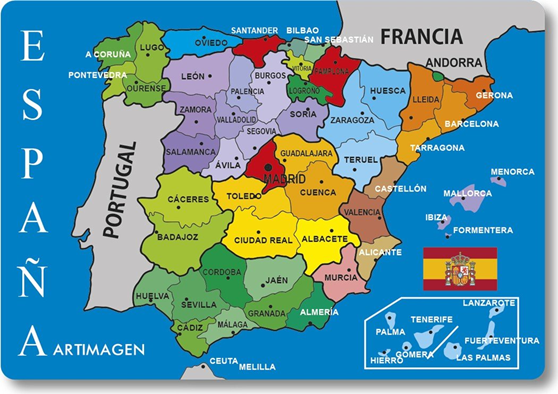
España es el cuarto país más extenso del continente europeo, después de Rusia, Ucrania y Francia, en ese orden. Está organizada geopolíticamente en diecisiete comunidades autónomas, formadas a su vez por cincuenta provincias; y dos ciudades también autónomas. El territorio peninsular comparte fronteras terrestres con Francia y con Andorra al norte, con Portugal al oeste y con el territorio británico de Gibraltar al sur. Sin embargo, también tiene territorios africanos que comparten fronteras terrestres y marítimas con Marruecos. Además, comparte con Francia la soberanía sobre la isla de Los Faisanes en la desembocadura del río Bidasoa, además de cinco facerías pirenaicas. La capital es Madrid, ubicada al centro del país.
El castellano o español es el idioma oficial en toda España, aunque también hay idiomas oficiales en algunas regiones, por ejemplo, el catalán o valenciano (hablado por el 9 % de la población), el gallego (5 % de la población) y el euskera (1 % de la población), entre otros. La religión predominante es el catolicismo y el sistema político es de Estado social y democrático de derecho que tiene como forma política la monarquía parlamentaria.
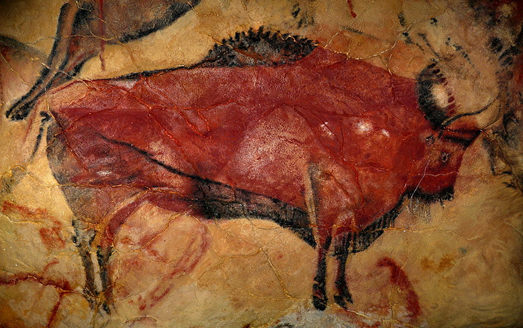
La historia de tierras españolas es tan rica como antigua, con dos sitios de suma importancia para la prehistoria europea y mundial: la sierra de Atapuerca (donde se ha definido la especie Homo antecessor y se ha hallado la serie más completa de huesos de Homo heidelbergensis) y la cueva de Altamira (donde por primera vez se identificó el arte paleolítico).
¿QUÉ VISITAR EN ESPAÑA?
Para nosotros, la mayoría de los mexicanos, ir por primera vez a España es como ir a la casa donde nos han dicho que vivían los bisabuelos o tatarabuelos.
Si tienes ancestros llegados de España, ¿sabes de dónde vinieron? Se pregunta esto porque, grosso modo y sin importar su origen ya fuera ibérico, peninsular, sefardita o morisco, los migrantes del norte de España se establecieron en lo que ahora es el norte de México; los del centro, en ciudades céntricas; los del sur, hacia los estados sureños. Siendo Guanajuato un estado ubicado al centro-norte de México, al igual que nuestra pequeña ciudad de San Miguel de Allende, no sería sorpresa saber que muchos españoles de Santander, de Bilbao, de Navarra, de Asturias, de Galicia (La Coruña), de Zamora, de Salamanca o de Castilla y León echaron raíces en estos rumbos. (En el estado de Guanajuato tenemos dos municipios con nombre de provincias españolas: Salamanca y León; sin olvidar que Zamora, en Michoacán, y Guadalajara, en Jalisco, son ciudades casi vecinas cuyos nombres llegaron de España.
Entonces, ¿qué hacer en España en un viaje? Menuda pregunta. Para responderla nomás así al alimón y siguiendo un estricto orden de ciudades en importancia poblacional, lo nos puede darnos apenas una probadita de lo imperdible:
MADRID:
El majestuoso edificio que alberga al Museo Nacional del Prado fue diseñado por el arquitecto Juan de Villanueva en 1785, como Gabinete de Ciencias Naturales, por orden de Carlos III. Su nieto Fernando VII destinó el edificio a la creación de un Real Museo de Pinturas y Esculturas. El Real Museo, que pasaría pronto a denominarse Museo Nacional de Pintura y Escultura y posteriormente Museo Nacional del Prado, abrió por primera vez al público en 1819.
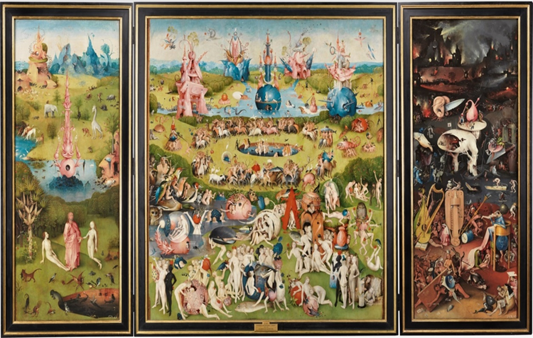
El primer catálogo constaba de 311 pinturas, aunque para entonces en el Museo se guardaban ya 1510 obras procedentes de los Reales Sitios. Tras dos siglos de existencia la colección ha crecido a través de adquisiciones, legados y donaciones que ya en pleno siglo XXI fue necesario ampliar las instalaciones con edificios nuevos. Entre las invaluables obras que alberga podemos mencionar El jardín de las Delicias, de El Bosco; La Sagrada Familia, también conocida como La Perla de Rafael; Las Meninas, de Velázquez, y Las Tres Gracias, de Rubens.
BARCELONA:
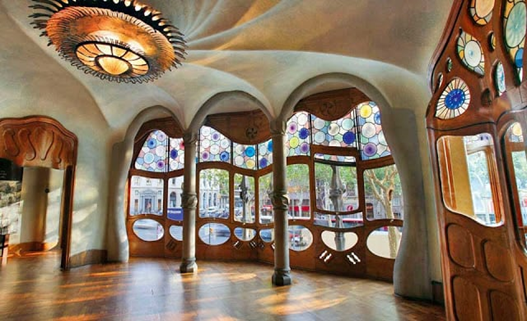
Gaudí (1852-1926) fue un arquitecto barcelonés, considerado el máximo representante del modernismo catalán. Casi toda su obra fue realizada en Barcelona y por ello existen recorridos guiados o sugeridos. Entre otros, la ruta comprende el Parc Güell, la Casa Batlló, la Iglesia de la Sagrada Familia y La Pedrera o Casa Milà, considerados símbolos turísticos de la ciudad y en algunos casos Patrimonio Mundial de la UNESCO.
VALENCIA:
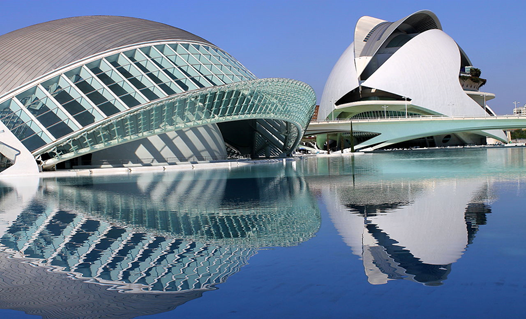
La Ciudad de las Artes y las Ciencias, situada al final del viejo cauce del río Turia, es un complejo arquitectónico, cultural y de entretenimiento ubicado en la costeña ciudad de Valencia. El complejo fue diseñado por Santiago Calatrava y Félix Candela, junto con los ingenieros autores del diseño estructural de las cubiertas del L'Oceanografic, Alberto Domingo y Carlos Lázaro. Fue inaugurado el 9 de junio de 1998 con la apertura de El Hemisférico. En 2007, el complejo fue uno de los ganadores del concurso 12 Tesoros de España. Dos años más tarde se inauguró el último gran componente de la Ciudad: el Ágora, situado entre el puente de l'Assut de l'Or y l'Oceanogràfic.
SEVILLA:
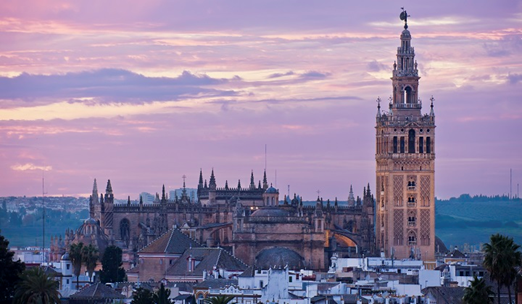
Ubicada al sur del país, donde hubo fortísima influencia morisca, la visita obligada es, sin duda, la Catedral de Sevilla, considerada como el templo de estilo gótico más grande del mundo. Anteriormente estaba allí la Gran Mezquita, hasta que en el siglo XII se levantó la catedral. De lo anterior de la época árabe se conserva el alminar, conocido como la Giralda, desde donde se obtienen unas vistas fantásticas. Además, durante la visita a la Catedral podrás contemplar el Patio de los Naranjos, obras renacentistas y la tumba de Cristóbal Colón quien, sin haber sido un gran conquistador pero sí un gran explorador, es a quien recordamos como el descubridor de América.
ZARAGOZA:
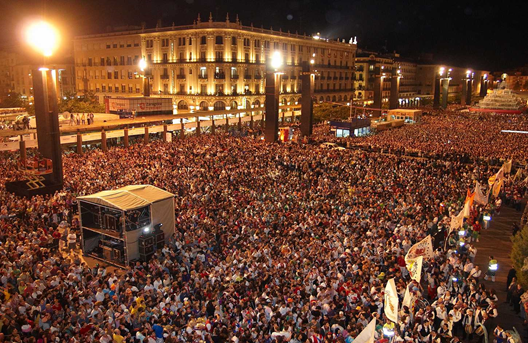
La capital de la región de Aragón, al noreste de España, es otra de las muchas ciudades con grandes atractivos. Para variar un poco las recomendaciones, vámonos ahora de fiesta tradicional en Zaragoza donde cada 12 de octubre se festeja a la patrona, la Virgen del Pilar. Esta fiesta tradicional y religiosa inició en 1807, pero tiene como antecedentes la fiesta de la Virgen de la Asunción, el 15 de agosto, que también se celebraba en Zaragoza. La duración es de ocho días. El «Pregón» da inicio a las fiestas y el certamen oficial de Jotas, es la conclusión. En el ínter hay ferias, danzas, música, cultura y espectáculos, además de la parte religiosa. «La Ofrenda de Flores» se celebra el día 12 de octubre, día de la patrona y Día de la Hispanidad. También hay que destacar otro acto como es la “Ofrenda de Frutos”, en la mañana del día 13. Quizá uno de los actos más desconocidos pero a la vez de los más espectaculares sea el “Rosario de Cristal” que se celebra en la tarde-noche del día 13 de octubre.

Casa Europa México recomienda…
Existen muchas regiones vitivinícolas en España, siendo La Rioja la más conocida a nivel mundial, y Ribera del Duero siguiéndole los pasos. ¿Cuáles vinos son mejores? En este video de dos minutos podemos darnos una idea y a partir de allí seguir explorando:
Referencias de Internet:
Los créditos de textos e imágenes aparecen al pie de la imagen misma.